NORTHERN UGANDA AND SOUTH SUDAN SAFARI
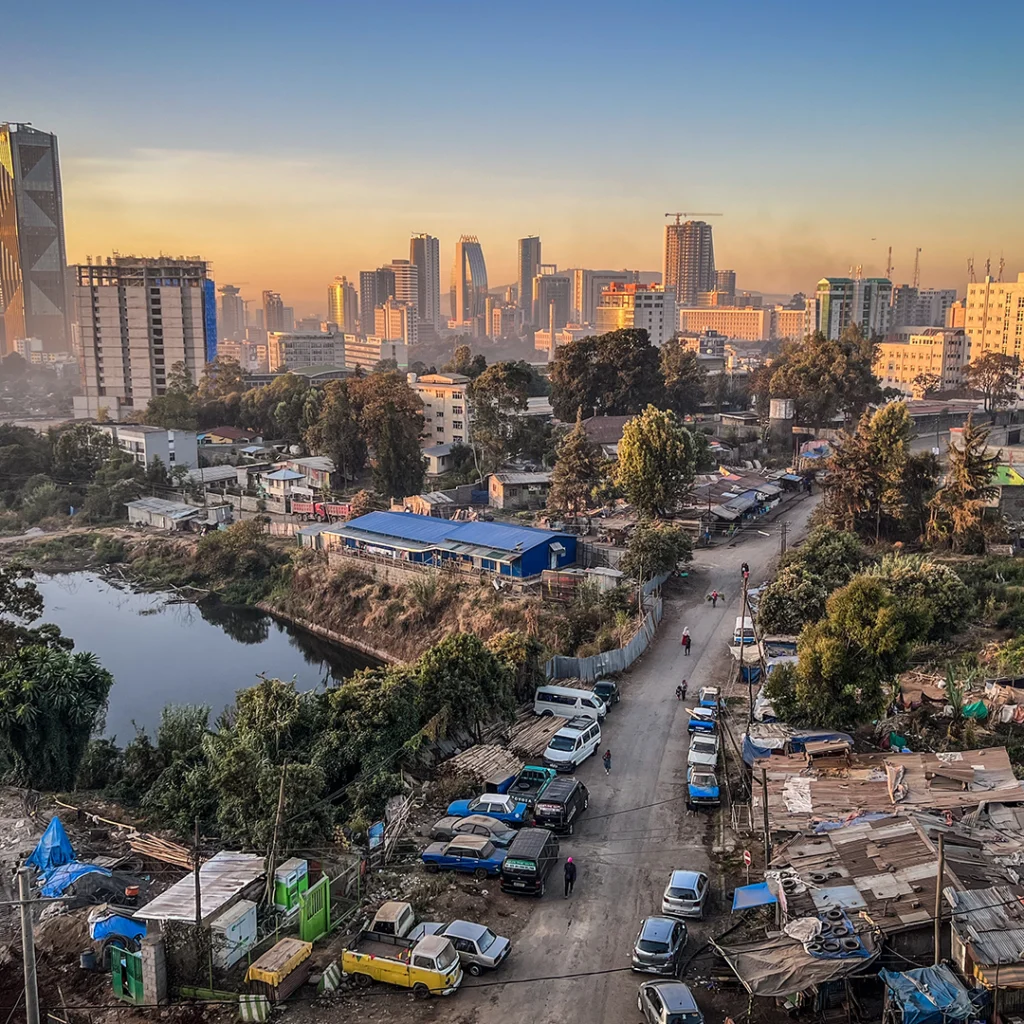
Explore the wild beauty and rich cultures of Northern Uganda and South Sudan on this immersive adventure. Discover untamed landscapes, vibrant wildlife, and authentic cultural experiences as you journey through remote regions. This trip promises a blend of nature, history, and local traditions, offering unforgettable moments in two of Africa’s most fascinating destinations.
- Area Size
- Region
- Wildlife Count
OVERVIEW
This itinerary is designed to meet very unique and traditional ethnic groups in Northern Uganda and in South Sudan. We will sleep near the villages in comfortable tented camps where a professional cook will serve warm meals. We will travel from one tribal area to the other one with 4×4 vehicles. Our experienced drivers know the terrain as the palm of their hands. The trip will be led by an experienced guide (Daniel or Donald) and a team of local guides that will serve as translators to communicate with the tribal people.
ITINERARY
Arrival in Entebbe according to your flight
This is considered as a travel day as all the participants will not arrive with the same flight or even on the same day. Some people may arrive some days earlier to enjoy the frenetic life of this bustling and exciting city of Kampala.
But whenever you arrive on Sunday, one of our representatives will welcome you at the airport and bring you to the hotel.
* Meals: This day is considered as a travel day, meals will be at Tourists’ expenses
Drive to Sipi Falls
Leave the guesthouse on time to avoid the traffic jams in Kampala.
Drive to Jinja (125 kms in 3 hours) and further to the town of Mbale (150 kms in 2 hours) where we will enjoy our lunch in a local restaurant. The staple food is matoke (cooking bananas). It goes with rice and other vegetables like cassava (manioc), sweet potatoes, white potatoes, yams, beans, peas, groundnuts (peanuts), cabbage, onions, pumpkins, and tomatoes. Some fruits, such as oranges, pawpaws (papayas).
It is one of the old colonial towns found around the foothills of Mount Elgon.
We shall then embark on a scenic drive to the beautiful Sipi Falls (60 kms in 1 hour) with awesome views and sunset’s en-route to our accommodation.
Dinner NOT INCLUDED to allow everyone to spend the evening at leisure
* Meals: Breakfast & Lunch
Drive to Sipi Falls
Leave the guesthouse on time to avoid the traffic jams in Kampala.
Drive to Jinja (125 kms in 3 hours) and further to the town of Mbale (150 kms in 2 hours) where we will enjoy our lunch in a local restaurant. The staple food is matoke (cooking bananas). It goes with rice and other vegetables like cassava (manioc), sweet potatoes, white potatoes, yams, beans, peas, groundnuts (peanuts), cabbage, onions, pumpkins, and tomatoes. Some fruits, such as oranges, pawpaws (papayas).
It is one of the old colonial towns found around the foothills of Mount Elgon.
We shall then embark on a scenic drive to the beautiful Sipi Falls (60 kms in 1 hour) with awesome views and sunset’s en-route to our accommodation.
Dinner NOT INCLUDED to allow everyone to spend the evening at leisure
* Meals: Breakfast & Lunch
Walk Safari in Pian Upe Game Reserve
We will leave the lodge as early as possible to reach on time Pian Upe Game Reserve, the second largest protected conservation area in Uganda. We will organize a walking safari with park Rangers to look for the endemic roan antelopes. With a little luck, we will also see cheetahs, Cape buffaloes, eland’s antelopes and more wildlife.
We will enjoy our picnic lunch before heading to the Karamajong Caves. They are of great spiritual and historical value for the tribe. We will then leave the Game Reserve and drive to the small town of Moroto. It lies at the foot of Mount Moroto (3083 meters high)
* Meals: Full Board
Visit Turkana people
We will drive (2 hours) to the border of Uganda and Kenya where we shall visit the Turkana community. We will stay there as long as you want to get the time to merge in their culture and to make some very nice pictures.
We will then drive back to our camp for relaxation. The braves among us can hike on the slopes of Mount Moroto, this is an optional activity.
* Meals: Full Board
Visit Karamajong people
Time to pay a visit to the Karamajong people; these semi-nomadic pastoralists keep on living according to ancient culture and traditions. We will visit one of their manyattas and if we are lucky, we will witness one of their cultural dances.
* Meals: Full Board
Visit Ik people
It is a long way -6 to 7 hours- driving through the Karamajong plains to reach the Highlands of Kaboong where the Ik community lives in some highlands and lowlands of Kaboong.
The Ik people (the Mountain people) live in several small villages arranged in clusters comprising their community. Each village is surrounded by an outer wall, then portioned into family/friend “neighborhoods” called odoks, each surrounded by a wall. Each Odok is sectioned into walled households called asaks, with front-yards for community-based interactions, and, in some cases, granaries.
* Meals: Full Board
Visit Ik people & drive to Kidepo Valley National Park
The IK have a unique culture and you will be impressed during the visit, you will learn about their day-to-day hustle to survive. They are basically nomads and survive on cattle keeping and small-scale farming. We will visit a family in one of the villages and a local craft maker who will teach us how to make wood stools, beads, baskets, mats, etc.
After our picnic lunch, we will travel further to Kidepo Valley National Park. We shall then have lunch and continue to the hidden paradise far north east of the country. Depending on what time we check in, we may do an evening safari to spot some of the beautiful wildlife that roams the savanna such as elephants, buffalos, giraffes, zebras, antelopes, leopards, cheetahs, lions, ostriches, etc.
* Meals: Full Board
Full day game drives in the Park including a packed lunch. We will be looking for lions, herds of buffaloes and elephants, giraffes, zebras and hopefully leopards and the elusive cheetah.
We will stop as much as necessary to do some bird watching too.
* Meals: Full Board
Morning safari & drive to Gulu
We will leave the lodge in the early morning to catch the sun rising over the Narus Valley. We will look for the wild cats and other wildlife while leaving the Park.
Picnic lunch on the way while we are driving to Gulu (300 kms in 6 hours)
* Meals: Full Board
Cross the border in Nimule and drive to Torit
Drive to the town of Nimule (110 kms in 2 hours) where the official border between Uganda and South Sudan is drawn. Custom officers will ask you for Covid test, yellow fever vaccine and visas. Don’t forget your Yellow Health Book.
* Meals: Full Board
Lobit people
We will visit the Lomolika Market to buy some fruit and vegetables before leaving the town. Drive to Imehejek, the Headquarters of Lopa County. We will visit one of the villages in the vicinity while the staff is preparing the gears for next days’ trek.
Music and dancing are central to Lopit culture. There are different dances for different occasions. Each dance has specific costumes and music. Drums are an important part of the dances.
The Lopit live in a hilly and fertile environment and are agro-pastoralists, practicing traditional agriculture as well as livestock rearing.
They, like other groups in the area, practice extensive hunting. They hunt during the dry season, after the harvest (January – April) has ended. This time is for group hunting, when groups of up to 2,000 men team up to hunt game. Neighboring villages team up to hunt in the land of the village that has called for the hunt. The call is put out four weeks in advance.
The groups split into two parts that proceed in different directions, and then the heads come together and regroup to cover a large area. The first animal killed in the hunt is given to the King of the land. When the meat is being divided up, elderly people have the first choice.
Some parts of the animal cannot be eaten freely. The internal organs (except for the lungs) can only be eaten by the older men and women, whilst young people cannot eat any part of the head or lower legs of an animal.
Buffaloes, elephants, giraffes, rhinoceros, gazelles, ostriches and antelopes are usually hunted. Special hunts are organized for lions and leopards if they have killed livestock.
* Meals: Full Board
Stay with the Lopit people (2nd day)
We will spend a full day with the Lopit people
* Meals: Full Board
Lobit people & Larim people
It is a 3 hours’ drive to the land of the land of the Larim people.
Drive to Camp 15, a small town on the way. Today is market day and we are likely to meet the Didinga people. During their ceremonies they paint their bodies with white natural paint.
We will continue to explore this remote and little visited mountainous region of South Sudan. The Tenet are a small tribal group inhabiting the northern area of Lafit Range. They speak Larim and hunt and grow millet in their small mountain villages. We will learn about them and try to organize a traditional dance in the village where we will spend the night.
* Accommodation: Tents next to a Larim village
* Meals: Full Board
Larim people (2nd day)
We will spend the full day with the Larim people
* Accommodation: Tents next to a Larim village
* Meals: Full Board
Drive to Kapoeta (3 hours)
We will drive to Kapoeta after breakfast. this is the ideal base to explore the last nomadic tribes of this part of Africa. After a brief visit to the Central market where we will spot the Toposa and Didinga people.
* Meals: Full Board
Toposa Territory
We will drive to the land of the Toposa; depending of the road conditions, this ride can take 2 to 6 hours. Reach the settlement of Mogos, meet the local authorities, set the camp and prepare to plunge into one of South Sudan’s most fascinating ethnic groups, the Toposa cattle people.
* Accommodation: Tents nearby a Toposa settlement
* Meals: Full Board
Toposa Territory (2nd day)
Drive to more isolated Toposa villages to meet the people in their ‘boma’ –fenced village-. We will first meet the elders and the local chief to respect their traditions. We will be part of a Welcome Ceremony touring around in the village.
Toposa belong to the Ateker Nation which includes the Turkanas from Northern Kenya, the Karamajong from Northern Uganda and the Nyangatom from Western Ethiopia. Their economy depends entirely on cattle. In remote areas, Toposa women still dress skin beaded skirts of great beauty and scarify their faces and bodies.
* Accommodation: Tents nearby a Toposa settlement
* Meals: Full Board
Drive back to Kapoeta
* Accommodation: Hotel Kuleu or similar
* Meals: Full Board
Drive to Juba (8-9 hours)
Full day drive to Juba as we will make some stops on the way to visit some villages
* Accommodation: Palm Africa Hotel or similar
* Meals: Full Board
Mundari Cattle Camp
We will visit the Capital city in the morning and have a lunch in a local restaurant
Drive then to Mundari Territory in 3 hours’ time. Arrival at a Mundari Cattle Camp with several thousand heads of long horned cows and bulls. Look at the arrival of the animals to their sleeping grounds by 6 pm in the evening. Meet the young Mundari and admire the tight relationship with their cattle.
* Accommodation: Tents nearby the Cattle Camp
* Meals: Full Board
Full day at Mundari Cattle Camp
Early morning photographic session (5 am) in the cattle camp. The camp awakens and we will be there to experience this magic and unique moment. Animals and humans wake up and prepare for an intense day of activities: milking, grazing, collecting dung, taking care of the calves and elderly cows, fetching wood, crossing the Nile, covering the bodies with pink ash… We will be observing, moving discretely around the Mundari and their sacred beasts to get the best shots.
Return to the camp for breakfast. During the hot hours of the day, we will relax under the trees
In the afternoon, before the cows reach the camp in the evening, we will visit the nearby huts and meet ‘women in red’, Mundari women that cover their bodies with natural red paint and beaded corsets during the naming process of young children.
Wrestling match and the youngsters armed with Kalashnikov’s around the smoky, dusty cattle camp makes the local atmosphere just magic.
* Accommodation: Tents nearby the Cattle Camp
* Meals: Full Board
Mundari Cattle Camp & back to Juba
Farewell from the Mundari tribe and drive back to Juba. Late lunch in a local restaurant
Afternoon at leisure and/or explore the market of Konyo market area
* Meals: Full Board
Flight back home
Depending of your own flight schedule, you will maybe have the time to visit (at your own expense) the Old part of the town, like the Greek Commercial homes, the mosque and the old Botanical Garden.
Transfer to the airport three hours before departure of your flight
* Meals: Breakfast is included; other meals are not included as this is considered a travel day.
Trip Inclusives
- English speaking guide during all the trip
- All transfers
- Transport with 4 WD Landcruiser’s
- Hotels and missions with Breakfast
- Camping material (except sleeping bag) and cooking material
- 2 bottles of mineral water per person/per day
- Meals as mentioned in the itinerary
- Park Entries, Scouts and Excursions as mentioned in the itinerary
Local guides and entrance fees while visiting communities
- Visas
- International flights and air taxes
- Travel and Cancellation insurance
- Money for photographing (if asked)
- Meals not mentioned in the itinerary
- Drinks (water is included!)
- Tips
- PCR test if requested by then
Please read attentively the following information:
Visa: Mandatory. To be arranged before departure. You will be asked for a letter of recommendation and we will provide you this letter
Compulsory vaccinations: yellow fever. Don’t forget your Health Book!
Malaria: Throughout the country. Prophylaxis against malaria is highly recommended
Security: Multiple military controls during the trip in the South Sudan’s part
Climate: 35ºC during the day and 22 during the night. Possible afternoon showers!
Food and drinks: During the trip there will be lunch in restaurants (local and international food) and a picnic during the excursions. Our own cook will prepare all meals while camping
Bottled mineral water will be available throughout the trip.
Accommodations: We will stay in middle class hotels and whenever possible we will bet on charming establishments run by the locals to support the local economy. The chosen accommodation may change for reasons beyond our organization. If so, it would be exchanged for accommodation of the same category.
Frequently Asked Qustions(F.A.Q's)
The best time to visit Northern Kenya and Southern Ethiopia is during the dry seasons from June to September and December to February, as the weather is more favorable for travel, and wildlife viewing is optimal.
This trip involves moderate physical activity, including some walking and hiking in rugged terrain. It is suitable for travelers with a basic level of fitness, but those with mobility issues should consult with the tour operator.
Yes, travelers are recommended to be vaccinated against Yellow Fever, Hepatitis A, and Typhoid. Anti-malarial medication is also advised due to the regions’ high malaria risk.
Cultural sensitivity is key. Your guide will provide insights on customs, etiquette, and how to engage respectfully. Always ask for permission before taking photos and respect local traditions.
Accommodations range from eco-lodges to tented camps in more remote areas. While comfort is prioritized, some locations offer basic amenities due to their isolation.